



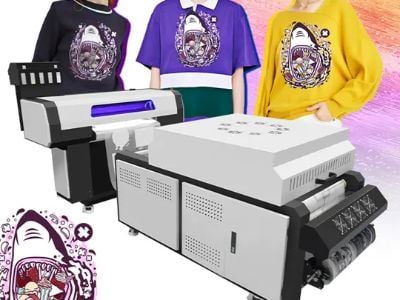
Maintaining your DTF shaker is crucial for extending the service life of your machine and ensuring optimal performance. As a key component in the DTF (Direct to Film) printing process, a well-maintained shaker can significantly impact print quality, production efficiency, and overall operational costs. , we will explore DTF shaker maintenance tips, how to choose the right shaker for your needs, common issues buyers face, where to source quality shakers for wholesale, and the specifications necessary for optimal performance.
Best Practices for DTF Shaker Maintenance to Ensure Longevity
Regular maintenance of your DTF shaker is essential to prolong its lifespan and maintain optimal functionality. Here are a few best practices to follow:
Routine Cleaning: Dust and ink residue can accumulate on the shaker’s components, affecting performance. Schedule regular cleaning sessions to ensure all parts are free from debris. Use a soft cloth and suitable cleaning agents to avoid damaging sensitive components.
Lubrication: The shaker’s moving parts require proper lubrication to function smoothly. Check the manufacturer’s recommendations for the type and frequency of lubrication needed. This practice reduces wear and tear and minimizes noise during operation.
Regular Inspections: Conduct periodic inspections to identify potential issues. Look for signs of wear, such as loose screws or damaged parts. Early detection of problems can save costs and prevent downtime.
Calibration: Ensure that the shaker is calibrated correctly according to the specifications provided by the manufacturer. This ensures that the shaker operates at the correct speed and pressure, which is critical for achieving high-quality prints.
Part Replacement: Components such as filters and belts may need replacement over time. Keep track of the replacement schedule and maintain a stock of essential spare parts to minimize production disruptions.
By implementing these maintenance practices, you can enhance the performance and longevity of your Dtf machine, ultimately leading to more consistent and high-quality print results.
How to Choose the Right DTF Shaker for Your Production Needs
Selecting the right DTF shaker is vital for meeting your production requirements. Here are key considerations to help you make an informed decision:
Production Volume: Assess your production volume to determine the shaker’s capacity. Larger shakers may be necessary for high-volume operations, while smaller units may suffice for lower output.
Size and Footprint: Consider the available space in your production environment. The shaker's dimensions should fit comfortably within your setup while allowing for easy access for maintenance.
Compatibility: Ensure that the shaker is compatible with your existing DTF printer. Compatibility can affect the efficiency of the printing process and the overall quality of the output.
Features: Look for shakers with features that suit your specific needs, such as adjustable speed settings, vibration control, and ease of use. Advanced features can enhance productivity and operator comfort.
Budget: Evaluate your budget constraints but remember that investing in a reliable and efficient shaker can lead to savings in the long run through reduced maintenance and improved production efficiency.
By carefully considering these factors, you can select a DTF shaker that aligns with your production needs and enhances your overall printing operations.
Common DTF Shaker Problems and Effective Solutions for Buyers
Understanding common issues that may arise with DTF shakers can help you mitigate risks and ensure smooth operation. Here are several problems and their solutions:
Inconsistent Shaking: If the shaker does not provide consistent shaking, it can lead to uneven ink distribution. This may be caused by improper calibration or worn-out components. Regular calibration and timely replacements can resolve this issue.
Excessive Noise: Unusual noises during operation may indicate misalignment or lack of lubrication. Regular maintenance, including lubrication and part inspections, can minimize this problem.
Overheating: If the shaker overheats during operation, it may be due to excessive load or inadequate airflow. Ensure that the machine is used within its specified capacity and that vents are clear from obstructions.
Vibration Issues: Excessive vibrations can affect the quality of prints. This may stem from an unbalanced load or incorrect installation. Check that the shaker is level and that all components are secure.
By addressing these common issues promptly, buyers can maintain operational efficiency and product quality.
Where to Source Quality DTF Shakers for Wholesale Purchasing
Sourcing high-quality Direct to film printer is essential for ensuring that your production processes run smoothly. Here are a few key points for wholesale purchasing:
Manufacturer Reputation: Look for reputable manufacturers with a solid track record in the industry. Consider their years of experience and any relevant certifications that demonstrate their commitment to quality.
Product Quality: Request samples or detailed specifications to evaluate the quality of the shakers. Check for materials used, construction methods, and any relevant certifications that indicate compliance with industry standards.
Customization Options: Many manufacturers offer customization options to cater to specific production needs. Inquire about the ability to adjust specifications such as size, features, and performance to suit your requirements.
After-Sales Support: Consider the level of after-sales support provided by the supplier. A reliable support system can be crucial for troubleshooting and maintenance assistance.
Pricing and MOQ: Understand the pricing structure and minimum order quantity (MOQ) requirements. Negotiate terms that fit within your budget while ensuring you receive a quality product.
By focusing on these sourcing aspects, you can find a supplier that meets your needs and offers reliable DTF shakers.
Understanding DTF Shaker Specifications for Optimal Performance
To ensure optimal performance of your DTF shaker, it's crucial to understand the specifications that affect its operation. Here are some key specifications to consider:
Vibration Frequency: This specification determines how rapidly the shaker operates. It's important to match the frequency to the type of ink and substrate used, as this can affect the final print quality.
Capacity: The shaker’s capacity should align with the volume of prints you expect to produce. A higher capacity shaker can handle more workload, which is essential for larger production runs.
Material Construction: The materials used in the construction of the shaker impact durability and performance. Look for robust materials that can withstand the rigors of continuous operation.
Power Requirements: Ensure that the power requirements of the shaker are compatible with your existing electrical systems. This helps prevent operational issues and potential damage to the equipment.
Control Mechanisms: Consider the control options available, such as digital interfaces or manual controls. Advanced control systems can provide better precision in adjusting shaker settings.
Understanding these specifications will enable you to select a Dtf printing machine that meets your production needs and enhances your overall printing efficiency. With the right equipment and maintenance practices, you can achieve superior print quality and operational reliability.
Table of Contents
- Best Practices for DTF Shaker Maintenance to Ensure Longevity
- How to Choose the Right DTF Shaker for Your Production Needs
- Common DTF Shaker Problems and Effective Solutions for Buyers
- Where to Source Quality DTF Shakers for Wholesale Purchasing
- Understanding DTF Shaker Specifications for Optimal Performance

