



DTF Shaker Calibration: Step-by-Step Guide for Perfect Powder Layering
Direct-to-Film (DTF) shaker calibration is crucial for achieving optimal powder layering in digital printing applications. This process ensures that the desired amount of powder adheres evenly to the film, which directly affects the quality of the final print. For B2B buyers such as purchasing managers, distributors, and engineers, understanding the calibration process is paramount. This article provides a comprehensive guide on DTF shaker calibration, addressing common buyer concerns, potential problems, and their solutions, enabling informed purchasing decisions.
What Buyers Should Know
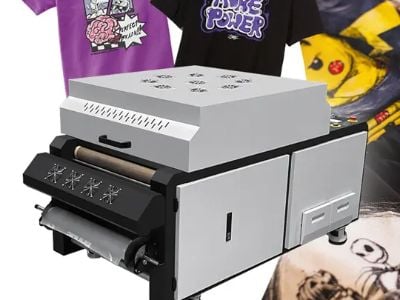
When considering Dtf machine equipment, it’s essential to understand the calibration process and its significance. Calibration ensures that the shaker dispenses the correct amount of powder, which is vital for achieving high-quality prints. Buyers should evaluate the equipment's specifications, such as adjustable settings for powder thickness and even distribution capabilities.
Moreover, the quality of the materials used in the shaker can impact performance; thus, buyers should inquire about the construction and durability of the equipment. Additionally, understanding the manufacturer’s quality control processes, such as testing and certification, will help buyers ensure they are investing in reliable equipment.
Buyers should also consider the equipment’s compatibility with their existing DTF printers. Information regarding the optimal powder types and any necessary adjustments for different materials should be obtained from the supplier. This ensures that the equipment will meet specific production needs and result in consistent print quality.
Common Problems in DTF Shaker Calibration and Their Solutions
Calibration issues can lead to several common problems, including uneven powder layering, excessive powder use, and inconsistent print quality. One of the most frequent issues is the inconsistency in powder distribution, which can arise from improper shaker settings or mechanical faults.
Solution: Regular maintenance checks and recalibration should be conducted to prevent these issues. Buyers should ensure they have access to detailed operational manuals and support from the manufacturer for troubleshooting.
Another common problem is the use of incompatible powders, which can lead to clumping or ineffective adherence to the film. Buyers should verify that the powders used are suitable for their specific DTF applications.
Solution: Conducting pre-production tests with different powder types can help determine the best fit for the equipment. It’s also advisable to maintain open communication with suppliers who can offer recommendations based on their technical expertise.
Cost Factors to Consider When Purchasing DTF Shaker Equipment
The cost of Best dtf printer equipment can vary significantly based on several factors. Key cost considerations include equipment specifications, manufacturing capabilities, and customization options.
1. Equipment Specifications: Higher-quality shakers often come with advanced features such as digital controls and enhanced powder distribution systems, which can justify a higher price.
2. Manufacturing Capabilities: Buyers should consider the production volume they require. A shaker designed for high-volume operations may have a higher upfront cost but can be more cost-effective in the long run due to efficiency and reduced waste.
3. Customization Options: If specific adjustments are required for unique applications, this can also influence the cost. Customization may involve additional engineering work, which should be factored into the overall budget.
Buyers should also inquire about after-sales support and warranty options. A slightly higher initial investment may be worthwhile if it includes comprehensive support services or extended warranties.
Ensuring Perfect Calibration
To achieve perfect shaker calibration, buyers should implement a systematic approach. Begin by establishing baseline settings based on the manufacturer's recommendations. Regularly calibrate the shaker according to a defined schedule or after significant operational changes.
It's crucial to conduct sample tests after calibration. This involves running a short batch to check for even powder distribution and adherence. If inconsistencies are detected, adjustments should be made accordingly.
Additionally, creating a calibration log can help track settings and any adjustments made over time. This log will serve as a valuable reference for future calibrations and troubleshooting.
Moreover, it's advisable to involve technical experts during the calibration process. Collaborating with suppliers who have in-depth knowledge of the equipment can lead to more effective calibration practices and ultimately improve print quality.
Applications of DTF Shaker Calibration in Various Industries
DTF shaker calibration is applicable across a diverse array of industries, including textiles, promotional products, and packaging. In the textile industry, accurate powder layering is essential for achieving vibrant and durable prints on fabrics. Proper calibration ensures that the powder adheres uniformly, enhancing the final product's quality.
In promotional products, such as custom apparel or branded merchandise, calibration affects the aesthetic and functional quality of the prints. Buyers in this sector should prioritize precision to meet customer expectations.
The packaging industry also benefits from accurate DTF shaker calibration. Consistent powder application is crucial for achieving high-definition graphics and maintaining brand integrity across packaging materials.
Understanding the specific requirements of these industries will help buyers make more informed decisions regarding Direct to film printer equipment and calibration practices. By aligning equipment capabilities with industry needs, businesses can ensure optimal performance and customer satisfaction.

