



The rise of Direct-to-Film (DTF) printing technology has transformed the garment printing industry, offering businesses a flexible and efficient solution for producing high-quality prints. As we look forward to 2026, the demand for the best printers for DTF is on the rise. This article aims to guide purchasing managers, distributors, and product managers through the essential specifications, evaluation criteria, sourcing options, and installation insights to make informed decisions when selecting DTF printers for their operations.
Key Specifications for High-Quality DTF Printers in 2026
When assessing DTF printers, several specifications are critical to ensuring optimal performance and print quality.
Print Resolution: Look for printers with a minimum print resolution of 1200 x 1200 DPI. Higher resolutions yield sharper images and finer details, crucial for intricate designs.
Print Speed: Evaluate the printer's speed, typically measured in square meters per hour. A printer that can produce 30-50 square meters per hour is ideal for high-demand environments.
Ink Type: The type of ink used in DTF printers can significantly affect the durability and vibrancy of prints. Eco-solvent and water-based inks are popular for their environmental benefits and robust color profiles.
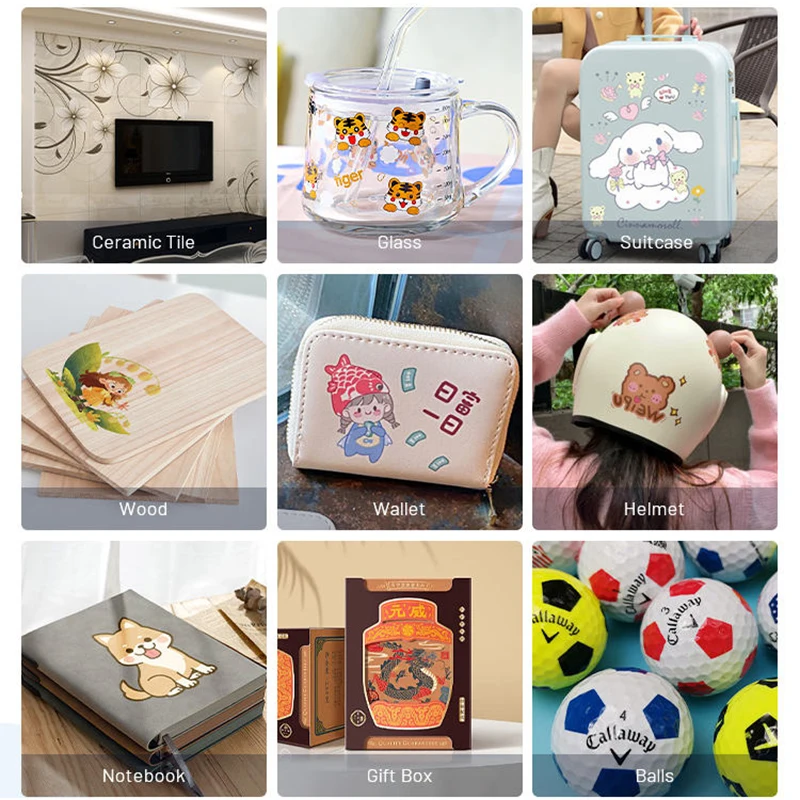
Media Compatibility: Ensure the printer can handle a variety of films and fabrics. Compatibility with both cotton and synthetic materials expands your production capabilities.
Color Management: Advanced color management systems help achieve consistent color reproduction across different media. Look for printers that support ICC profiles for precise color matching.
These specifications not only enhance the quality of prints but also impact the overall efficiency of your production process.
How to Evaluate DTF Printer Quality Before Purchasing
Evaluating the quality of DTF printers involves a comprehensive approach that includes both technical specifications and practical performance tests. Here are some key steps to consider:
Sample Testing: Always request sample prints before making a purchase. This allows you to assess color vibrancy, detail, and the printer's ability to reproduce complex designs.
User Feedback: Research reviews and testimonials from current users. Feedback from other businesses can provide valuable insights into reliability and performance.
Technical Support: Investigate the level of technical support the manufacturer offers. A responsive support team can greatly reduce downtime and resolve issues quickly.
Warranty and Service Plans: Check the warranty period and available service plans. A robust warranty demonstrates the manufacturer's confidence in the product and provides peace of mind for buyers.
Long-Term Costs: Consider the long-term operational costs, including ink prices, maintenance, and energy consumption. A lower initial purchase price may not always translate to lower total costs.
By thoroughly evaluating these aspects, you can ensure that the DTF printer you choose aligns with your operational needs and budget.
Where to Source Reliable DTF Printers for Your Business
Sourcing reliable portable DTF printer requires careful consideration of potential suppliers. Here are some effective strategies:
Manufacturer Directories: Utilize online directories that list reputable manufacturers. Look for suppliers with a strong presence in the DTF market and a proven track record.
Trade Shows and Expos: Attend industry trade shows where manufacturers showcase their latest technologies. This allows you to see the printers in action and speak directly with representatives.
Networking: Engage with industry networks and forums to gather recommendations from peers. Many experienced professionals share their sourcing experiences and can guide you to reputable suppliers.
Certifications and Standards: Check if the manufacturer holds relevant certifications, which can be a strong indicator of quality and reliability. Compliance with international standards assures you of their commitment to quality.
In-House Capabilities: Consider companies that have in-house manufacturing capabilities, like XURON, which enables better control over quality and customization options.
Choosing the right supplier is crucial for ensuring that you receive a product that meets your quality standards and operational requirements.
A Buyer’s Guide
When preparing to purchase a DTF printer, consider the following checklist to streamline your procurement process:
Define Your Needs: Outline your specific printing requirements, including volume, types of fabric, and design complexity.
Request Detailed Quotations: Provide potential suppliers with comprehensive information to receive accurate quotes. Include specifications like model type, quantities, required features, and delivery timelines.
Evaluate Customization Options: Inquire about any customization capabilities that may be beneficial for your unique printing applications.
Check for After-Sales Support: Ensure the supplier offers robust after-sales support, including training, troubleshooting, and maintenance services.
Consider the Total Cost of Ownership: Assess not just the purchase price but all associated costs over the printer's life, including ink, maintenance, and repairs.
By following this guide, you can make more informed decisions that align with your business objectives and operational capabilities.
Common Installation Challenges for DTF Printers and Solutions
Installing custom DTF print can present several challenges. Here are common issues and practical solutions:
-
Space Constraints: DTF printers require adequate space for setup and operation. Ensure your facility has enough room for the printer's dimensions and any additional equipment.
Solution: Plan the layout beforehand, considering workflow and access for maintenance.
-
Electrical Requirements: DTF printers may have specific electrical requirements that differ from standard outlets.
Solution: Consult with an electrician to ensure your facility can meet the printer’s power needs.
-
Software Compatibility: Integration with existing design and workflow software can sometimes pose challenges.
Solution: Work with the manufacturer to ensure compatibility or consider dedicated software solutions recommended for DTF printing.
-
Initial Calibration: Properly calibrating the printer for optimal performance can be time-consuming.
Solution: Utilize the manufacturer's guidelines and consider involving a technician for initial setup to ensure everything is configured correctly.
By anticipating these challenges and preparing solutions in advance, you can facilitate a smoother installation process and minimize downtime.
This comprehensive guide aims to empower purchasing managers and distributors with the knowledge and insights necessary for selecting the best DTF printers for their operations in 2026. With XURON’s extensive experience and capabilities in manufacturing DTF printers, businesses can confidently navigate their purchasing decisions, ensuring enhanced print quality and operational efficiency.

