



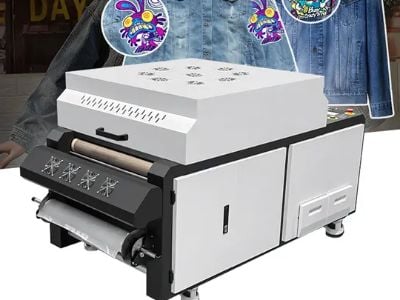
When considering the purchase of a DTF (Direct to Film) shaker, several factors come into play, including size, speed, and budget considerations. This DTF Shaker Buying Guide will address key concerns that B2B buyers often have, such as product specifications, supplier reliability, installation requirements, common issues, and practical applications. By understanding these elements, purchasing managers, distributors, and other industry professionals can make informed decisions to enhance their operations.
Cost Factors to Consider When Buying a DTF Shaker
When evaluating the cost of a Direct to film printer, several factors come into play that can significantly impact the overall investment. Firstly, the size of the machine is crucial; larger models typically have a higher price point but may offer increased throughput, making them suitable for high-volume production environments. Speed is another critical factor, as machines with advanced technology or higher RPM can enhance productivity but may come with a premium price tag.
Moreover, buyers should consider additional costs beyond the initial purchase price, such as installation fees, maintenance, and potential spare parts. It's advisable to budget for these ongoing expenses to ensure the machine remains operational and efficient over its lifespan. Furthermore, customization options can also influence pricing; tailored features may better align with specific business needs but can increase the overall cost. Finally, understanding the total cost of ownership, including energy consumption and operational efficiency, is essential for making a well-informed purchasing decision.
Where to Find Reliable DTF Shaker Suppliers for Wholesale
Finding reliable suppliers for DTF shakers is crucial for ensuring quality and consistency in production. Start by exploring online marketplaces and industry-specific trade shows where manufacturers showcase their products. Look for suppliers with a proven track record in the digital printing industry, particularly those specializing in DTF technology.
It's also beneficial to connect with industry forums or professional networks to gather recommendations and reviews from peers who have firsthand experience with specific suppliers. When assessing potential partners, inquire about their manufacturing capabilities, quality control processes, and after-sales support. A reputable supplier should provide transparency regarding their production methods, certifications, and testing procedures, helping to establish trust and confidence in their products.
Additionally, consider the supplier's ability to customize products and meet specific requirements, as this can greatly enhance operational efficiency. Establishing a good communication channel with potential suppliers can also facilitate better negotiations and ensure that all your needs are met.
Installation Guidance for Your New DTF Shaker Machine
Proper installation of a DTF shaker is essential for optimal performance and longevity. Begin by reviewing the manufacturer’s guidelines, which typically provide detailed instructions on setup, including space requirements and electrical specifications. Ensure that the installation area is clean, well-ventilated, and free of obstructions, allowing easy access for maintenance and operation.
Before installation, verify that all components are present and free from damage. It’s advisable to conduct a pre-installation check, which may include verifying electrical connections and calibrating the machine settings according to the specifications provided by the manufacturer. If possible, engage a qualified technician for the installation process; their expertise can help avoid common pitfalls that might arise during setup.
Once installed, run a series of test prints to ensure the shaker is functioning correctly. Monitor its performance closely during initial operations and be prepared to make adjustments as needed. This proactive approach can help identify potential issues early, ensuring that the machine operates efficiently in the long run.
Common DTF Shaker Problems and Effective Solutions
While Dtf printing machine are generally reliable, users may encounter common issues that can disrupt operations. One frequent problem is uneven shaking, which can lead to inconsistent print quality. This issue may arise from misalignment or calibration errors. Regular maintenance checks and recalibrating the shaker can help resolve this issue.
Another common concern is the wear and tear of components over time, particularly with the shaker's motor or drive mechanisms. To mitigate this, establish a routine maintenance schedule that includes inspecting and replacing worn parts as necessary. This proactive approach can extend the machine's lifespan and maintain performance standards.
Finally, users may experience operational inefficiencies due to dust and debris buildup, which can affect machine performance. Implementing a cleaning routine, including regular dusting and thorough cleaning of the shaker and surrounding area, can prevent such issues. Ensuring that the machine is kept clean and well-maintained will lead to smoother operations and better print outcomes.
Application Scenarios for DTF Shakers in Your Business
DTF shakers serve a range of applications across various industries, making them versatile tools for businesses involved in digital printing. One prominent application is in custom apparel production, where DTF technology allows for high-quality prints on a variety of fabrics. Shakers enhance the process by ensuring even coating of the transfer film, resulting in vibrant and durable prints.
Another application includes promotional products, such as personalized gifts or branded merchandise. DTF shakers can efficiently process multiple items, allowing businesses to meet tight deadlines and fulfill bulk orders without compromising quality. This flexibility is particularly beneficial for companies operating in fast-paced environments.
Moreover, DTF shakers can be advantageous in industries requiring prototyping and short-run production. The ability to quickly and accurately produce samples can help businesses respond to client requests more effectively, reducing lead times and increasing customer satisfaction. By understanding and leveraging these application scenarios, companies can optimize their use of Direct to film printers, enhancing their overall production capabilities.
investing in a DTF shaker requires careful consideration of various factors, including cost, supplier reliability, installation, common issues, and application scenarios. By addressing these key areas, B2B buyers can make informed decisions that align with their operational needs and business goals.

