



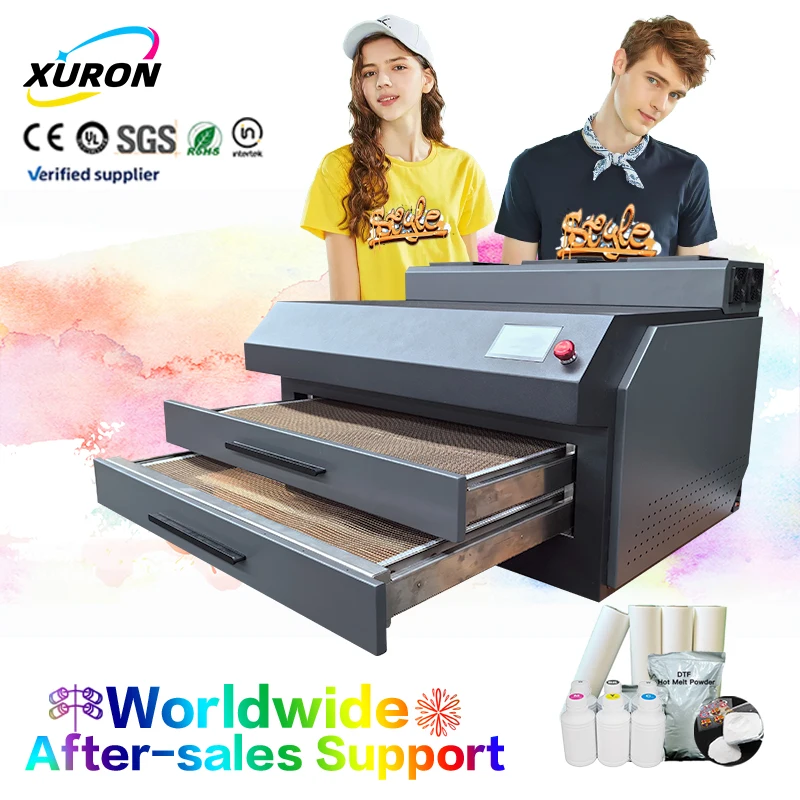
Digital Transfer Film (DTF) printing is revolutionizing the way businesses approach custom apparel and product decoration. A critical component in this process is the DTF printer oven, which cures DTF film to ensure quality adhesion and durability. This article aims to address common questions about DTF film curing, focusing on the challenges buyers face, essential features to look for, cost factors, application versatility, and best practices for optimal results.
Common Problems When Curing DTF Film and Their Solutions
Curing DTF film can present several challenges that affect print quality and durability. One common issue is uneven curing, which can lead to poor adhesion and diminished print longevity. This can occur if the oven's temperature is not consistent or if the film is not evenly distributed inside the oven. To mitigate this, ensure that the oven is calibrated correctly and consider using a conveyor system that maintains a consistent speed and temperature.
Another frequent problem is the ink bleeding or smudging during the curing process. This often results from excess moisture in the film or improper ink formulation. To combat this, verify that the ink used is specifically designed for DTF applications and that the film has been adequately dried before curing. Regular maintenance of the printer and oven can also prevent such issues.
Lastly, buyers should be wary of inadequate ventilation in curing ovens, which can impact the curing process and lead to harmful fumes. Ensure that the DTF oven includes proper exhaust systems to maintain air quality and enhance curing efficiency.
What to Look for in DTF Printer Ovens
When selecting a DTF printer oven, several key features should be prioritized. First, the temperature control system is crucial; it should offer precise and adjustable settings to accommodate various film types and ink formulations. Look for ovens with digital displays that allow for easy monitoring of temperature and curing time.
Another important feature is the size and capacity of the oven. Depending on your production needs, a larger oven with a conveyor belt may be beneficial for high-volume operations. Additionally, consider the oven’s energy efficiency, as this can significantly impact operating costs.
Lastly, evaluate the oven's build quality and safety features. A robust construction will not only ensure durability but also enhance safety during operation. Look for ovens that have built-in safety mechanisms, such as automatic shut-off features to prevent overheating or malfunction.
Cost Factors to Consider for Bulk Orders of DTF Printer Ovens
Pricing for DTF curing oven can vary widely based on several factors. The first consideration is the oven's size and capacity larger, high-capacity ovens generally have a higher upfront cost but can offer better efficiency for bulk production.
Another significant cost factor is the technology used in the oven. Advanced models featuring sophisticated temperature control systems or conveyor belts may come at a premium but could save money in the long run through improved efficiency and reduced errors.
Additionally, consider potential shipping and import fees, especially when sourcing from international suppliers. Understanding the total landed cost will help in evaluating bulk order pricing.
Finally, inquire about warranty and after-sales support. Investing in equipment with a comprehensive warranty can provide peace of mind and protect against unexpected repair costs.
Applications of DTF Printer Ovens in Various Manufacturing Sectors
DTF printer ovens are versatile tools used across various manufacturing sectors. In the apparel industry, they are essential for curing prints on t-shirts, hoodies, and other garments, ensuring vibrant colors and durability even after multiple washes.
Beyond apparel, DTF technology is gaining traction in promotional products, such as custom bags, hats, and accessories. The ability to print on diverse materials makes DTF ovens suitable for various substrates, including cotton, polyester, and blends, expanding application opportunities.
The packaging industry also benefits from DTF technology, where high-quality prints on boxes and labels are crucial for branding. DTF printer ovens provide a method to achieve crisp, detailed designs that can withstand handling and environmental conditions.
Best Practices to Follow
To ensure optimal performance from your DTF film oven, follow these best practices. First, always preheat the oven before loading your DTF film to achieve consistent curing results. Accurate temperature settings should be established based on the specific materials being used.
Secondly, maintain cleanliness within the oven. Residual ink or debris can affect curing quality and may even damage the equipment over time. Regularly clean the interior and ensure that the heating elements are free from obstructions.
Additionally, conduct regular maintenance checks on the equipment. This includes inspecting temperature sensors, conveyor belts, and electrical components to ensure everything is functioning correctly. Keeping a maintenance log can help track performance over time and identify potential issues before they escalate.
Lastly, always conduct tests with new materials or inks before full-scale production. This helps to verify that the curing process meets your quality standards and ensures that any adjustments can be made without impacting your production schedule.
By understanding these common issues and best practices, as well as what to look for in DTF printer ovens, buyers can make informed decisions that enhance their production capabilities and ensure high-quality results in their DTF printing applications.

