



Reducing powder consumption in the direct-to-film (DTF) printing process can significantly lower material costs and enhance production efficiency. A high-quality DTF shaker plays a crucial role in achieving this goal. , we will explore how to effectively reduce powder consumption by utilizing advanced DTF shakers, addressing common buyer concerns, and highlighting essential features and installation guidance. Our focus is to provide actionable insights that will help purchasing managers, distributors, and engineers make informed decisions.
Where to Find Wholesale DTF Shakers for Cost-Effective Solutions
When sourcing DTF shaker, it’s essential to consider wholesale suppliers who can provide both quality and competitive pricing. Look for manufacturers with a strong reputation in the digital printing industry, such as XURON, which has over 20 years of manufacturing experience and a comprehensive range of DTF solutions. Sourcing directly from a factory can reduce costs compared to middlemen. Buyers should evaluate suppliers based on their production capacity, quality control processes, and customization capabilities to ensure they meet specific requirements.
Many suppliers offer wholesale options for bulk purchases, which can lead to significant cost savings. Request quotes based on your expected order volume and discuss potential discounts for larger quantities. Additionally, check for any minimum order quantities (MOQ) that may apply.
Common Problems with DTF Shakers and How to Solve Them
DTF shakers, while essential for optimal powder application, can encounter several issues that affect performance. Common problems include inconsistent powder distribution, clogging, and wear over time. Inconsistent powder distribution can lead to uneven prints, resulting in wasted materials and time. To address this, ensure that the shaker is well-maintained and regularly cleaned to prevent powder buildup.
Another prevalent issue is clogging, which can occur if the shaker's mechanics are not functioning smoothly. Regular inspections and maintenance of moving parts can help prevent this problem. Additionally, using high-quality powder and adhering to manufacturer guidelines on powder types can minimize clogging risks.
Lastly, wear and tear due to prolonged use can compromise the shaker's functionality. Buyers should consider investing in shakers made from durable materials designed to withstand the demands of frequent use. This not only prolongs the shaker's lifespan but also ensures consistent powder application.
Key Features of a High-Quality DTF Shaker
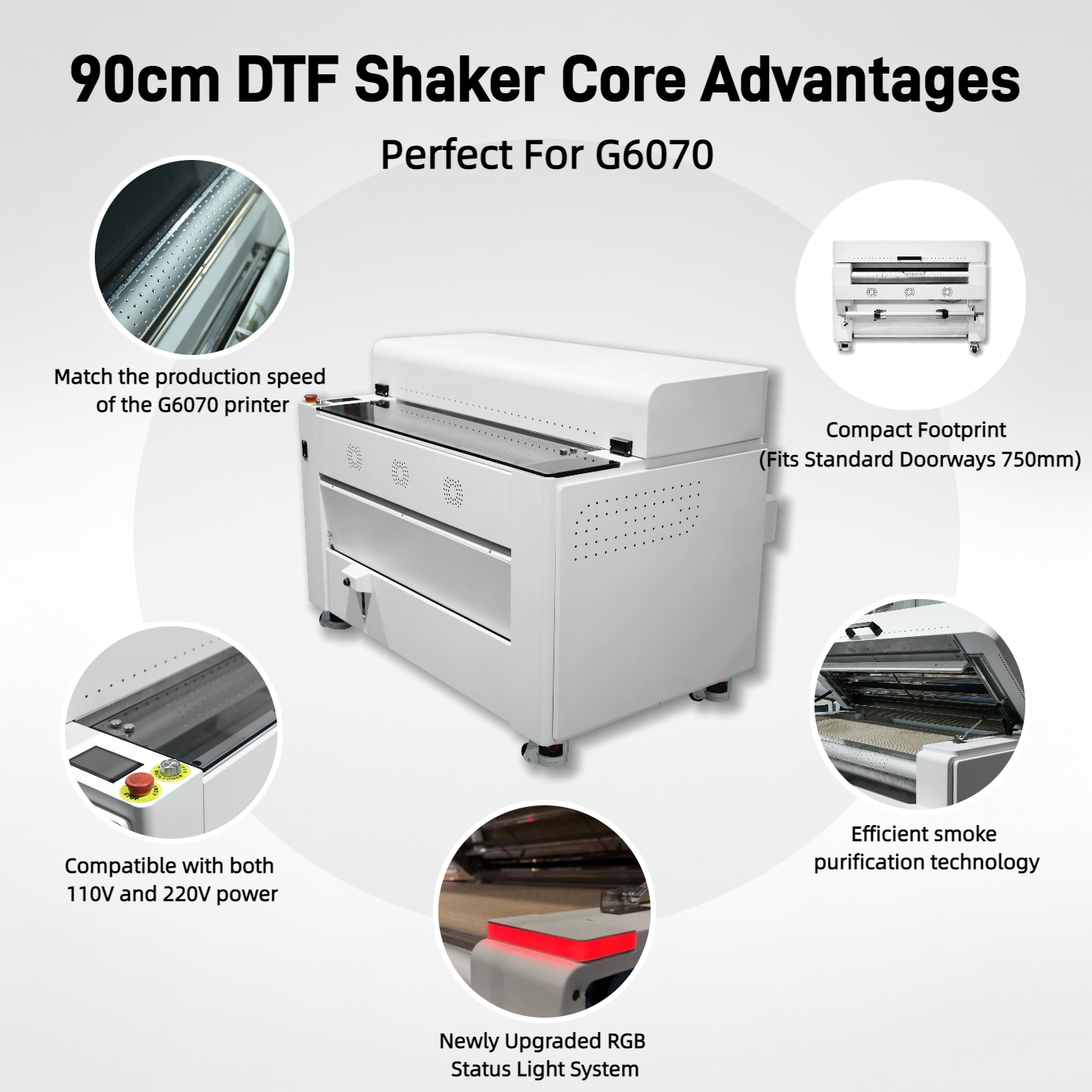
When selecting a automatic DTF shaker, certain features can significantly enhance its performance and longevity. Firstly, look for adjustable vibration settings, which allow for better control over powder application depending on the specific needs of your printing job. This feature enables users to fine-tune the powder layer thickness, reducing waste.
Secondly, a high-quality shaker should have a robust construction, often made from stainless steel or other durable materials that resist corrosion and wear. This ensures the shaker can handle the rigors of the manufacturing process while maintaining consistent performance.
Additionally, ease of maintenance is critical. Look for shakers that come with removable parts for easy cleaning and inspection. This feature can help address common problems quickly, minimizing downtime and keeping production flowing smoothly.
Finally, consider the shaker's compatibility with different powder types, as some shakers are designed to work better with specific materials. Clarifying these specifications with the supplier can help ensure optimal results.
Installation Guidance for Efficient Use of DTF Shakers
Proper installation of a DTF shaker is vital for achieving optimal performance. Begin by ensuring that the shaker is placed on a stable and level surface to prevent unnecessary vibrations that could affect powder distribution. Follow the manufacturer’s guidelines for installation, including any specific electrical requirements if the shaker operates on a power source.
Before starting production, conduct a thorough calibration of the shaker settings. This may involve adjusting the vibration frequency and amplitude according to the powder type and desired application thickness. Testing with small batches can help fine-tune these settings before full-scale production begins.
Regular checks on the shaker’s alignment and calibration during operation can prevent issues such as uneven powder layers. Maintaining an accurate setup from the beginning can save time and materials, promoting efficiency in the printing process.
Applications of DTF Shakers in the Powder Consumption Process
DTF shakers are integral to the powder consumption process in various printing applications, particularly in textile and promotional product printing. Their primary role is to apply an even layer of powder to the printed film, which is crucial for achieving high-quality transfer results.
In textile printing, for example, a consistent powder layer ensures that colors adhere properly during the heat transfer process. This not only enhances the vibrancy of the prints but also reduces the amount of excess powder that would otherwise be wasted. Similarly, in promotional products, accurate powder application ensures that items like stickers and decals maintain their intended appearance and durability.
Moreover, using high-quality portable DTF shaker allows manufacturers to optimize their material usage, leading to cost efficiencies. By minimizing powder waste, companies can improve their overall profitability while delivering high-quality products to their customers.
In summary, investing in a high-quality DTF shaker and understanding its operation can greatly reduce powder consumption and enhance printing efficiency. Buyers should focus on reputable suppliers, key features, and proper installation techniques to maximize the benefits of this essential equipment.

