



In the world of direct-to-film (DTF) printing, a DTF shaker plays a crucial role in ensuring the efficiency and quality of the printing process. This specialized equipment not only aids in the application of adhesive powder but also enhances the overall workflow of DTF printers. For B2B buyers such as purchasing managers and distributors, understanding what a DTF shaker is and how it operates is essential for making informed purchasing decisions. This article will delve into the functionalities, selection criteria, installation challenges, quality evaluation, and applications of DTF shakers in modern printing processes.
What Is a DTF Shaker and Its Role in DTF Printing Efficiency?
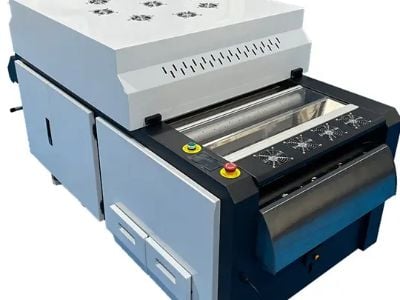
A DTF shaker is an essential device used in the DTF printing process to evenly distribute a layer of adhesive powder onto the film after printing. This powder is critical as it adheres to the ink, allowing for vibrant and long-lasting designs on fabrics and other materials. The shaker operates by gently vibrating the film, ensuring that the adhesive powder settles uniformly without clumping.
The efficiency of a DTF shaker directly impacts the quality of the final print. An effective shaker minimizes waste by ensuring that the right amount of adhesive is applied, preventing excess powder from falling off during the heat transfer process. This not only improves print quality but also contributes to cost savings by reducing material waste.
How to Choose the Right DTF Shaker for Your Printing Needs
Selecting the appropriate Dtf machine involves several considerations that align with your specific printing requirements. Firstly, assess the shaker's size and capacity to ensure it can accommodate the dimensions of your printing films. A shaker that is too small may lead to uneven powder distribution or slow down your production process.
Next, consider the vibration frequency and intensity of the shaker. These factors determine how evenly the adhesive powder is applied. A shaker with adjustable settings allows operators to customize the vibration based on the type of film and powder being used, enhancing flexibility in print production.
Additionally, examine the build quality and material of the shaker. A robust design ensures longevity and reliable performance, while materials that resist wear and tear contribute to lower maintenance costs. Finally, consider compatibility with your existing DTF printer to ensure seamless integration into your workflow.
Common Installation Issues with DTF Shakers and Solutions
Installing a DTF shaker can present several challenges that, if not addressed, may hinder the efficiency of your printing operations. One common issue is misalignment with the DTF printer. It's crucial to ensure that the shaker is properly aligned to facilitate the smooth transfer of printed film from the printer to the shaker. Misalignment can lead to jams or improper powder application.
Another typical problem involves inadequate power supply. DDtf printing machines require a consistent power source to function effectively; fluctuations can result in inconsistent vibrations. Therefore, verifying the electrical requirements before installation is essential.
Furthermore, users may face difficulties with the shaker's settings or controls. Familiarizing your team with the operational guidelines and conducting thorough training can mitigate these issues. Regular maintenance checks should also be implemented to identify and resolve any potential problems early on.
Evaluating the Quality of DTF Shakers for Your Projects
When assessing the quality of DTF shakers, several key factors must be taken into account. First, review the shaker’s operational specifications, including its vibration frequency and amplitude. These specifications affect how well the adhesive powder settles and adheres to the film.
Quality control processes used by the manufacturer are also vital. Look for manufacturers that adhere to stringent quality assurance practices, as these can significantly influence the reliability and performance of the shaker. Certifications or industry standards can serve as indicators of quality and reliability.
Additionally, consider user feedback and reviews from other businesses in the industry. Testimonials can provide valuable insights into the shaker's performance over time, highlighting any common issues or advantages that other users have experienced.
Applications of DTF Shakers in Modern Printing Processes
DTF shakers are increasingly becoming integral to various applications in the printing industry. Their primary function remains in textile printing, where they ensure that designs adhere securely to fabrics, resulting in high-quality, durable prints that withstand washing and wear.
Beyond textile applications, DTF shakers are also utilized in promotional items and custom merchandise production, where vibrant prints are crucial for market appeal. This versatility makes them a valuable asset for businesses looking to expand their product offerings.
Moreover, as the demand for personalization in printing continues to grow, Dtf printing machine support rapid production of custom designs, enabling businesses to efficiently meet customer demands while maintaining quality. Their implementation can streamline workflows and enhance production capabilities, making them essential for modern printing operations.
In summary, understanding the role and functionalities of a DTF shaker is vital for anyone involved in DTF printing. By carefully considering the selection criteria, addressing installation challenges, and evaluating quality, businesses can significantly improve their printing efficiency and output quality.

