



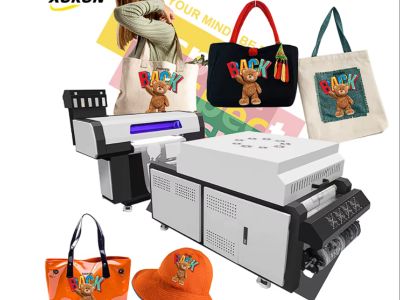
DTF printers are becoming really popular for printing on different kinds of fabrics. DTF stands for Direct to Film. This means that the printer puts the design on a special film first, and then it transfers that design onto the fabric. It’s like making a sticker that you can put on clothes, bags, and other items. XURON is a brand that makes these printers. They help businesses create amazing designs, no matter what kind of fabric they are using. The colors are bright, and the details are sharp, which makes everything look great! People love using DTF printers because they can make their own unique items or start a business selling custom designs. This article will look into how DTF printers achieve vibrant colors on various fabric types and what challenges wholesale buyers might face with DTF transfers.
How DTF Printers Achieve Vibrant Colors on Various Fabric Types
DTF printers work by using special inks that are mixed with a powder. This combination helps the ink stick to different fabrics, making the colors really bright. When the printer sprays the ink onto the film, it uses a lot of tiny dots. These refillable inkjet printer come together to form beautiful images. The printer can handle various fabrics like cotton, polyester, and even blends. This is because the inks are designed to work well with different materials. For example, if you print on white cotton, the colors will pop out and look very bright. If you use polyester, the colors may look even more vibrant. The magic happens when the design is transferred. The heat from the press helps the ink bond with the fabric, making it last longer. You can wash these items many times without losing color or detail. This makes DTF printing a great choice for custom t-shirts, hoodies, and other apparel. The process is quick and efficient, allowing businesses to create many designs in a short time. Sometimes, people might see small differences in colors depending on the fabric. This is normal, and it can make each piece unique. So, when using a DTF printer, it is essential to test designs on various fabrics to see how the colors turn out. This way, you can get the best results and satisfy customers with bright and beautiful prints.
What Common Issues Do Wholesale Buyers Face with DTF Transfers?
Wholesale buyers who order DTF transfers may run into some challenges. One common issue is figuring out the best fabric for printing. Not all materials work the same way with DTF inks. Some fabrics may not hold the colors well, or the ink might not stick correctly. Eco solvent printer can lead to designs that fade or peel off after washing. To avoid this, buyers need to do some testing before placing a big order. Another problem can be sizing. When ordering transfers, it’s important to get the right size for the design. If the design is too big or too small, it won’t look good on the final product. Clear communication with the printing company, like XURON, can help fix this issue. Buyers also need to think about delivery times. Sometimes, there can be delays in getting the transfers. This can affect businesses that need items quickly for events or promotions. Planning ahead and placing orders early can help. Additionally, quality control is essential. Buyers should check samples before ordering large quantities. This way, they can ensure that the colors and details are perfect. Overall, while there may be some challenges when using DTF transfers, knowing what to look out for can help wholesale buyers have a successful experience.
What Fabrics Work Best with DTF Printing Techniques?
DTF printing stands for Direct to Film printing. It is a method that allows you to print colorful designs on different types of fabrics. Knowing which fabrics work best with DTF printing is key to getting great results. XURON recommends using cotton, polyester, and blends of these materials. Cotton is one of the best choices because it absorbs ink well. This means the colors will look bright and clear. Polyester is also a good option. Solvent eco solvent printers is strong and can hold up to washing. Blends of cotton and polyester are great too because they combine the best qualities of both fabrics.
There are also some fabrics that you should avoid when using DTF printing. For example, fabrics with a high amount of stretch, like spandex, can be tricky. This is because the design might not stick well when the fabric stretches. Additionally, some fabrics that are very dark or have a rough texture may not show the colors as well. It is important to choose a fabric that is smooth and light in color for the best results. When you pick the right fabric, you can create amazing designs that look sharp and last a long time.
Where to Source Reliable DTF Printer Suppliers for Wholesale Needs
Finding a good supplier for DTF printers is very important if you want to start a business or make many prints. XURON is a great choice for those who are looking for high-quality DTF printers. When searching for a supplier, look for one that has a good reputation. You can do this by reading online reviews or asking other business owners for recommendations. A reliable supplier should offer good customer service and support. This means they should be easy to talk to if you have questions or need help.
Another thing to consider is the price of the printers and supplies. Look for a supplier that offers fair prices without sacrificing quality. Sometimes, cheaper options may not work as well or break easily. It is also good to check if they have a variety of printers. Different printers can handle different sizes and types of designs, so having options is helpful. Once you find a reliable supplier, it can make your DTF printing business much easier and more successful.
How to Troubleshoot Common DTF Printing Challenges for Wholesale Success
Even with the best printers, problems can still happen when using DTF printing. XURON knows that troubleshooting is an important skill to have. One common challenge is when the prints do not stick well to the fabric. This can happen if the temperature or pressure of the heat press is not correct. Make sure to follow the instructions for the heat press carefully. Testing a small piece of fabric first can help you find the right settings.
Another issue can be with the colors not looking bright enough. This can happen if the ink is running low or if the printer needs cleaning. Regular maintenance is important to keep the printer working well. For example, cleaning the print heads can help the ink flow better, leading to sharper images. If you see that the colors are not coming out right, check the ink levels and clean the printer if necessary.
Lastly, sometimes the designs can come out blurry or not as sharp as you want. This can be due to using low-quality images. Always use high-resolution images for the best results. If you face challenges, don’t worry! Every problem has a solution, and with practice, you will get better at DTF printing. By troubleshooting these common problems, you can ensure your wholesale business is successful and your designs look amazing.
Table of Contents
- How DTF Printers Achieve Vibrant Colors on Various Fabric Types
- What Common Issues Do Wholesale Buyers Face with DTF Transfers?
- What Fabrics Work Best with DTF Printing Techniques?
- Where to Source Reliable DTF Printer Suppliers for Wholesale Needs
- How to Troubleshoot Common DTF Printing Challenges for Wholesale Success

