



This article explores the capabilities and considerations of using small DTF (Direct to Film) shakers in garment printing. As the demand for customized apparel continues to grow, purchasing managers and distributors are keen to understand whether a smaller shaker can effectively handle their production needs. We will delve into the efficiency enhancements provided by small DTF shakers, evaluate key specifications, discuss cost factors, address common issues, and explore various applications.
How a Small DTF Shaker Can Enhance Your Garment Printing Efficiency
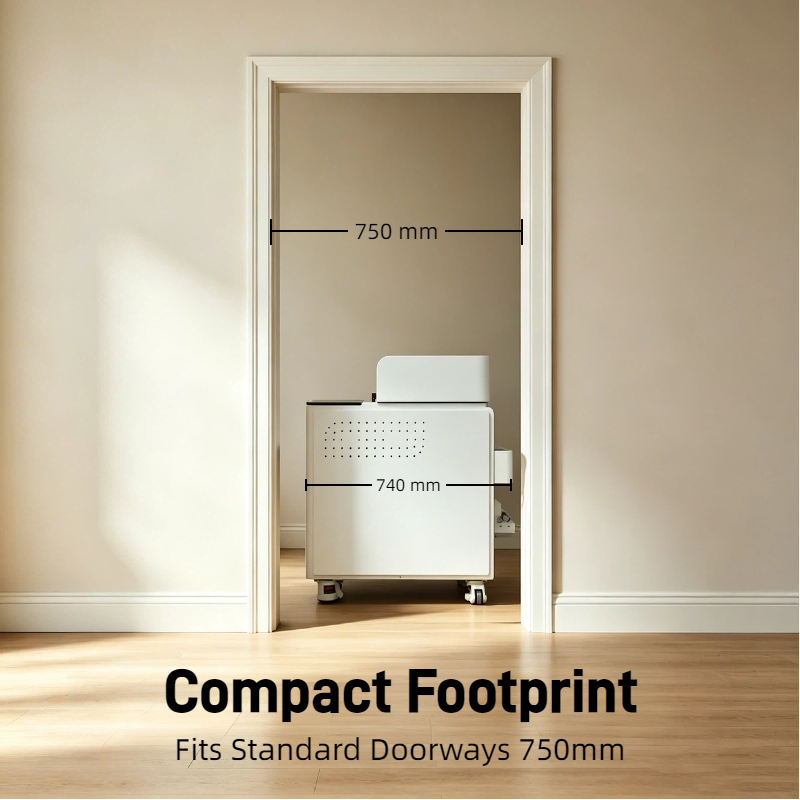
Small DTF shakers can significantly improve garment printing efficiency by ensuring an even distribution of adhesive powder on printed films. This uniformity is crucial for achieving high-quality prints that adhere well to fabric. Unlike larger models, small shakers are designed for compact spaces, making them ideal for smaller operations or those just starting in DTF printing.
Their smaller size also typically means faster setup times and easier handling. These DTF shaker can integrate seamlessly into existing workflows without requiring extensive modifications to your production line. For businesses aiming to produce limited runs or custom designs, a small DTF shaker can enhance flexibility and responsiveness to customer demands. The ability to quickly switch between different designs or materials without the overhead of larger machines is a significant advantage.
Key Specifications to Evaluate in a Small DTF Shaker for Printing
When selecting a small DTF shaker, there are several critical specifications to assess:
Size and Capacity: The shaker’s dimensions should fit within your workspace while accommodating the volume of adhesive powder you need for your production runs. Ensure it can handle your anticipated output without bottlenecking your process.
Vibration Control: The shaker should have adjustable vibration settings to manage the consistency of adhesive application. Insufficient vibration can lead to uneven powder distribution, affecting print quality.
Material Compatibility: Verify that the shaker is compatible with the types of adhesive powders you plan to use. Different powders may have varying properties that affect how they interact with the shaker.
Ease of Cleaning: Given the nature of adhesive powders, a shaker with easy disassembly and cleaning features can streamline maintenance, reducing downtime between production runs.
Durability and Warranty: Consider the build quality of the shaker. A robust machine will withstand the rigors of daily use, while a good warranty reflects the manufacturer's confidence in their product.
Cost Factors to Keep in Mind When Buying Small DTF Shakers
Cost is a crucial consideration when purchasing small DTF shaker dryer. The initial purchase price is just one aspect; buyers should also factor in:
Operating Costs: Look at the energy consumption of the unit. More efficient models may have a higher upfront cost but can save money over time through reduced energy bills.
Maintenance and Parts Replacement: Understand the long-term costs associated with maintaining the shaker. Some models may require more frequent parts replacements or specialized maintenance, impacting overall expenses.
Volume Discounts: If you plan to purchase multiple units or additional equipment, inquire about bulk pricing or discounts from suppliers.
Financing Options: Some manufacturers offer financing plans that can ease the burden of upfront costs, allowing businesses to manage their cash flow more effectively.
Common Problems with Small DTF Shakers and Effective Solutions
While small DTF shakers can enhance production, they are not without challenges. Here are some common issues and their solutions:
Inconsistent Powder Distribution: If the shaker is not calibrated correctly, the adhesive powder may not distribute evenly. Regularly check and adjust the vibration settings to ensure uniform application.
Clogged Mechanisms: Adhesive powders can clump, leading to clogging. Implementing a routine cleaning schedule and using high-quality powders can mitigate this problem.
Wear and Tear: Frequent use can lead to mechanical wear. Choose a shaker built with durable materials and consider investing in extended warranties for peace of mind.
Noise Levels: Some shakers can be noisy during operation. If this is a concern, look for models specifically designed for quieter operation or consider sound-dampening measures in your workspace.
Applications of Small DTF Shakers in Various Garment Printing Scenarios
Small DTF shakers are versatile tools suitable for various garment printing applications:
Small Batch Productions: Ideal for businesses that specialize in custom or limited-edition apparel, allowing for quick shifts between designs without extensive setup time.
Personalized Items: Perfect for creating individualized garments, such as custom t-shirts, hoodies, or promotional wear, where flexibility and quick turnaround are essential.
Samples and Prototypes: Useful for creating samples for client approval. The ability to produce small quantities efficiently makes them invaluable for prototyping designs before full production.
Seasonal or Event-Based Orders: As demand fluctuates with seasons or special events, small DTF shakers allow businesses to adapt quickly without committing to large-scale production runs.
In summary, small DTF powder shaker system present a practical solution for garment printing demands, particularly for businesses looking to enhance efficiency, maintain flexibility, and meet custom orders promptly. Understanding the specifications, costs, common problems, and diverse applications will empower purchasing managers and distributors to make informed decisions that align with their operational needs.
Table of Contents
- How a Small DTF Shaker Can Enhance Your Garment Printing Efficiency
- Key Specifications to Evaluate in a Small DTF Shaker for Printing
- Cost Factors to Keep in Mind When Buying Small DTF Shakers
- Common Problems with Small DTF Shakers and Effective Solutions
- Applications of Small DTF Shakers in Various Garment Printing Scenarios

